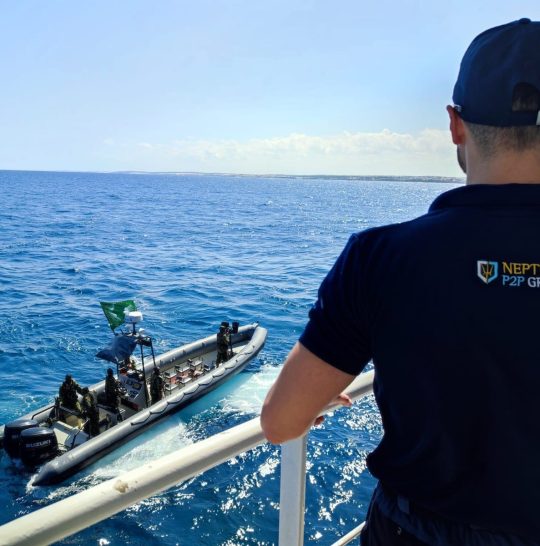
An unexpected threat can unsettle even the most confident professional. A tense checkpoint, sudden crowd movement or unfamiliar security warning demands clear thinking rather than panic. Practical preparation helps people recognise danger and make sound decisions.
A hostile environments and awareness training course develops composure through realistic exercises, sound judgement and disciplined responses when pressure rises.
Recognizing danger before it escalates
Calm responses begin with awareness. Participants learn to notice unusual behaviour, changing crowd dynamics, suspicious objects and signs of tension. Instructors explain how small details may reveal growing risks. Regular observation helps people assess surroundings without becoming fearful or distracted. Early recognition gives teams valuable time to consider safe options and avoid unnecessary exposure.
Building confidence through realistic exercises
Classroom lessons explain core safety principles, while practical scenarios test reactions under pressure. Participants practise responding to simulated threats, sudden route changes and communication failures. Instructors introduce realistic challenges at a controlled pace, allowing learners to improve judgement through repetition. Familiarity with difficult situations helps reduce confusion when real incidents demand quick decisions.
Controlling stress and emotions
Fear can narrow attention and disrupt communication. Training introduces simple breathing techniques, mental checklists and structured decision making to help participants regain focus. Learners practise pausing briefly, assessing immediate danger and selecting sensible actions. These habits support emotional control during tense encounters and help people avoid impulsive choices that increase personal or team risk.
Making decisions with limited information
Hostile environments rarely provide complete information. A road may close without warning, a crowd may change direction, or a colleague may lose contact. Participants practise weighing available facts, identifying priorities and choosing safe alternatives. Instructors encourage clear thinking instead of rushed assumptions. Regular exercises strengthen judgement when uncertainty affects movement and daily operations.
Strengthening communication and teamwork
Clear communication helps teams remain coordinated during emergencies. Participants practise concise updates, agreed signals and reliable reporting procedures. They learn to share location details, explain hazards and confirm instructions without adding confusion. Team exercises also highlight individual responsibilities, helping colleagues support one another while maintaining awareness of changing conditions.
Calm under pressure grows through regular practice, honest feedback and consistent safety routines. Participants review each exercise, identify weak points and refine their decisions. Employers can reinforce lessons through briefings and refresher sessions. With stronger awareness, emotional control and teamwork, professionals approach challenging environments with greater confidence and make safer decisions under pressure.