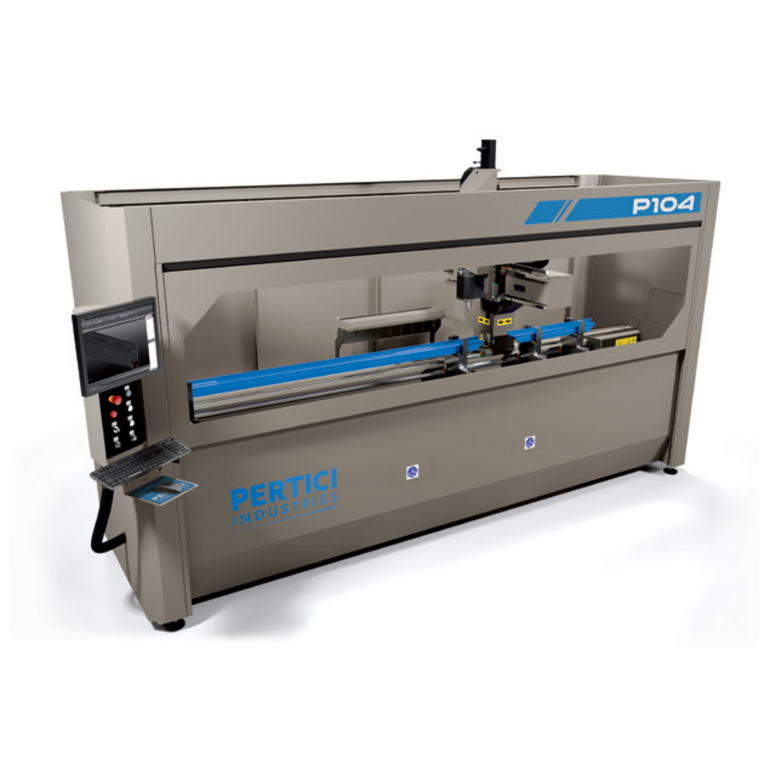
Accurate aluminium cutting helps manufacturers produce clean edges, maintain precise dimensions, and reduce material waste. Even minor measurement errors can affect product quality and increase production costs. Skilled operators combine suitable equipment, proper blade settings, and regular maintenance to achieve consistent results.
The latest aluminium cutting machines offer excellent precision, but correct operation and reliable working practices make a significant difference.
1. Choose the right cutting blade
Blade selection directly affects cutting accuracy and surface quality. Aluminium requires blades designed specifically for non-ferrous metals. Choose a blade with suitable tooth geometry and spacing to achieve smooth cuts without damaging the material. Sharp carbide-tipped blades help reduce friction and prevent rough edges. Always check the blade specifications against the aluminium thickness and cutting requirements before starting production.
2. Set accurate cutting measurements
Precise measurements help operators achieve consistent results across multiple aluminium pieces. Use calibrated measuring tools and reliable digital measuring systems to establish the correct dimensions. Check the cutting angle and material length before starting the machine. Secure measurement settings and verify them against the production drawings. Regular measurement checks also help operators identify small errors before they affect an entire batch.
3. Secure the aluminium material
Material movement during cutting can lead to uneven edges, incorrect dimensions, and wasted stock. Use suitable clamps and fixtures to hold aluminium profiles firmly in place. Ensure the material rests evenly against the machine’s support surfaces. Proper positioning prevents unwanted movement and helps the blade follow the intended cutting line. Check the clamping pressure before each operation to maintain stability without damaging the aluminium surface.
4. Maintain the correct cutting speed
Cutting speed has a direct effect on accuracy and surface finish. Excessive speed can generate heat, cause vibration, and produce rough edges. An unsuitable feed rate can also affect the blade’s performance. Follow the machine manufacturer’s recommended settings for the aluminium grade, thickness, and blade type. Consistent cutting speeds help operators maintain clean edges and reduce unnecessary stress on machine components.
5. Inspect and maintain the machine
Regular maintenance helps aluminium cutting machines deliver consistent performance. Inspect blades for worn or damaged teeth and replace them when necessary. Clean the cutting table, remove accumulated aluminium chips, and check the machine’s moving components. Examine the blade alignment and tighten loose fittings. Lubricate components according to manufacturer instructions. Routine inspections help prevent mechanical problems that affect cutting precision and production quality.